
Soil problems are a major cause of low production levels in many cropping ventures. Farmers with little or no knowledge of the basic soil problems, apply ineffective remedies raising the cost of production without any resultant benefits in both the short and long term, to the farmer. The post presents the basic soil problems and simple and most effective ways of an amendment.
1. Soil lacking organic matter
Correction: Add compost
Common to soils that have been continually farmed using less-sustainable methods.
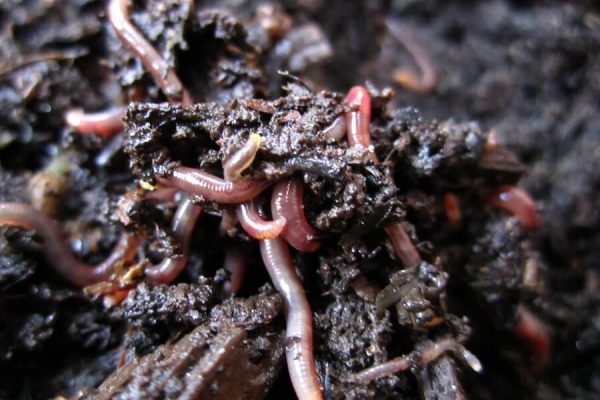
Soil without organic matter may have poor water retention, drainage issues, little to no organism activity, failing crops, among others. This condition makes it almost impossible to crop on such soils.
You can remedy this by incorporating compost into the soil. Spread 3-inch-deep compost layer and incorporate it into 3 to 6 inches of soil. You should apply fully decomposed compost to prevent the decomposition process from depriving crops of certain nutrients. You can additionally grow cover crops during fallow periods to encourage soil biota activity. Moreover, you can practice crop rotation and conservation agriculture. Do not till a wet soil to avoid compaction.
Read also: 10 Simple and Easy Soil Tests
2. Soil too dry
Correction: Add compost
This, as one of the basic soil problems, is common to sandy soils. If your soils dry out too quickly, you can add compost. This will add both nutrients and increase water retention capacity of the soil. recommend applying mature compost. Compost that is not fully decomposed may harm your plants as it continues to break down. You can practice no-till under conservation agriculture. This will also help to improve water retention and reduce water loss by evaporation. No-till agricultural technology also improves your soil’s structure in the long-term.
3. Soil too wet
Correction: Add compost, sand, pea gravel
This condition is common to low-lying areas, clay soils and areas with high water table.
This is usually caused by the compact nature of soil particles which do not allow good drainage of water. You can amend this by incorporating sand or gravels into the soil. The addition of sand or gravels will also require that you add organic materials to address soil nutrients problems. Avoid adding sand to clay soils. This mixture can set up like concrete. It is recommended that clay soils should be amended with approximately 0.8 cubic meters of gravel or compost per 100 square feet. However, the rate for non-clay soils may vary depending on the choice of the amendment and the soil type.
Additionally, you may also dig around crop areas to allow the water to drain from the crop areas. Again, practice no-till on such soils.
Read also: Soil Conservation: How to maintain Soil for Sustainable Crop Production
4. Soil acidic
Correction: Add dolomitic lime, wood ash
Common to areas of high rainfall, poor drainage, heavy nitrogen fertilizer use and high evergreen-tree population.
Many farmers use lime to address the issue of soils with low pH (acidic soils). In an already established area, lime can be incorporated by rainfall or irrigation. The application rates may vary depending on the soil’s pH and soil type. The advice of the soil-testing expert may be required. Wood ash should be applied more cautiously as an excess of it can raise the potassium level in the soil and prevent plants from absorbing other nutrients. It is recommended that you use not more than approximately 1kg per 9square meters.
Moreover, you can grow acidic-soils tolerant crops like potatoes and sweet potatoes.
5. Soil alkaline
Correction: Add Elemental sulphur, iron sulphate
Common to clay soils, arid and semi-arid climates.
For soils with high pH from soil test results, apply elemental sulphur and iron sulphate. The rate of application depends on the type of soil and you may need the recommendation of a soil-testing expert. Apply the elemental sulphur about a year before planting because the elemental sulphur reacts slowly with the soil.
Alkaline soils require continual buffering, so you must monitor soil pH each year and apply the necessary amendment. For perpetual alkaline soils, you can also grow crops which are tolerant to high pH.
Read also: Benefits of Earthworm to your Soil
6. Soil with excess salinity (salt content) or sodicity (sodium content)
Correction: Add elemental sulphur, gypsum (calcium sulphate).
Common to arid and semi-arid climates, low-lying areas near salt water.
If you confirm that your soil has excess salinity after soil testing, you can apply gypsum and elemental sulphur. The rates of application for gypsum and elemental sulphur may vary depending on the type of soil. The rates of application, therefore, must be recommended by the soil testing expert. Be careful not to apply to gypsum to sandy or acidic soils. This can cause mineral deficiencies in plants.
Apply the elemental sulphur about a year before planting because the elemental sulphur reacts slowly with the soil.
Poor drainage may also be a cause of sodic and saline soils. In this case, you may apply compost, sand or gravels as in soils that are too wet. Drain off water that is logging.
Leave your thoughts and further basic soil problems and amendments as comments.
Soil Problems post inspiration: hobbyfarms.com

Related Posts
January 17, 2018
February 16, 2018
February 16, 2018
12 Comments. Leave new
In our country we have been solving soil problems by applying aluminum - silicates, or zeolites. This product increases cation exchange capacity (CEC), helps reduce soil salinity, helps retain water (up to 40% of its weight in water, and retains more nutrients so the plants can extract it from the soil in the short, medium and long run. Also helps the structure of the soil.
Wonderful. Thanks for your addition, Hector. If I may, which country are you referring to?
Thanking you for posting this, I need to say there are few more very important precautions that are missing in this post. The solution is lacking some deeper explanation on how it works, K. Afrane Okese. Soil is very important topic and I hope there will be further discussion which will lead participators and readers to fair level of awareness of most important issues on soil..
We really appreciate you taking time to comment. Indeed, soil is very important, and truly there must be much further and deeper discussions and explanations on how it works. This post, meant to trigger certain attention that will lead to such engagement in further discussions. We are very open to the idea and we believe the post is always better with your comments. Radik Zakirov, you are always welcome to share with us.
I agreed about ph regulation of soil.
But the rotation between graminees and legumes is one of the major solution with green residus after crops in soil …to keep soil in good condition …..
Wonderful, Thonney Patrick. Your point is well noted. Thanks for sharing.
Where it states add compost it is recomended to plant cover crops that with its roots can add organic material to the soil and increase bacterial and fungal soil life. It will also cover the soil reducing erosion by wind and water and reduce the impact of solar radiation on the soil thus maintaining the soil temperature lower and soil biota alive (less solar UV radiation disinfecting the soil)
You are right, Pieter. Thanks for providing the right term, soil biota (comprising earthworms and many other organisms).Post is updated accordingly. Technically, the soil can be managed after the period of fallow to allow UV radiation or other mechanisms to disinfect the soil. I like your point on erosion which goes to worsen the case for lack of organic matter in the soil.
Therefore, there is the need to educate farmers on these issues.
Thanks Alfred. Surely, there is the need. We can start by sharing this information and applying them on our farms.
Oh! This is not that simple issue, the soil I mean! We farmers need both knowledge and discussion!
Surely, Radik Zakirov. We welcome farmer to learn and have extensive discussions on this platform. The discussions, however, needs to go further to their various field. Very helpful.