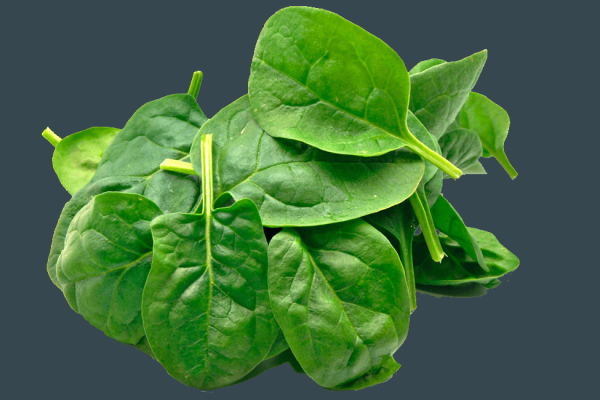
Malabar spinach (Basella alba) is a popular tropical leafy-green vegetable. It is a vine and people commonly grow them as backyard herb in their backyard gardens.
There are two important vine spinach cultivars belonging to the Basellaceae family. The Basella alba, which has green stem and dark green leaves and Basella rubra with purple and dark green leave and pink vines. Both have similar health benefits. The Basella alba is the commonest in Ghana.
Basella alba (Image source: insadreams.com)
Basella rubra (Image source: herbgarden.co.za)
Malabar spinach (Basella alba) VS Spinach
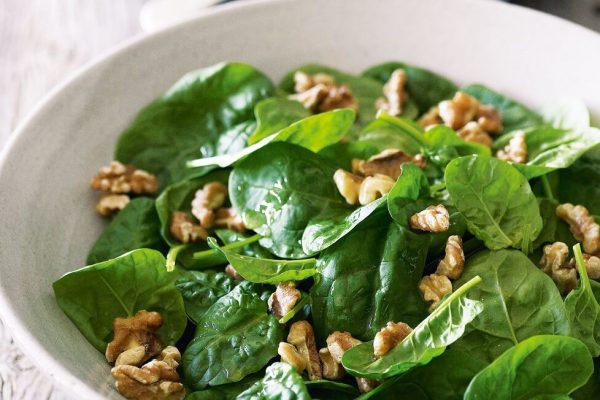
The Malabar spinach (Basella alba) and Spinach (Spinacia oleracea) are leafy vegetables with similar nutritional content and benefits. However, both belong to different families. More so, the Malabar is suited for the tropical regions whiles the spinach is for the temperate regions. Additionally, the Malabar spinach grows as a vine and the spinach, a shrub.
Read also: Spinach : 19 Incredible Health benefits
Health benefits of Malabar spinach
-
Weight loss
Malabar spinach is very low in calories and fats (100 grams of raw leaves provide just 19 calories). Nonetheless, it holds an incredibly good amount of vitamins, minerals, and antioxidants.
-
Smooth digestion
Its thick, fleshy leaves are an excellent source of non-starch polysaccharide, mucilage. In addition to natural fibre (roughage) that found in the stem and leaves, its mucilaginous leaves facilitate in smooth digestion. Fiber diet brings a reduction in cholesterol absorption, and help prevent bowel problems.
-
Promotes Good eyesight
Basella leaves and stem are incredibly rich sources of vitamin A. 100 g fresh leaves provide 8000 IU or 267% of recommended daily allowance (RDA) of this vitamin. Vitamin-A is required for maintaining healthy mucus membranes and skin, and essential for good eyesight.
-
Cancer prevention
Consumption of natural vegetables and fruits rich in vitamin-A and flavonoids has been known to offer protection from the lung and oral cavity cancers.
-
Resistance against infections
Basella has more vitamin C content than Spinach. 100 g of fresh greens contains 102 mg or 102% of daily recommended levels of vitamin-C. Vitamin-C is a powerful antioxidant, which helps the human body develop resistance against infectious agents and scavenge harmful oxygen-free radicals.
-
Prevents anaemia
Like in spinach, Basella too is an excellent source of iron. 100 g fresh leaves contain about 1.20 mg or 15% of daily intake of iron. Iron is an essential trace element required by the human body for red blood cell (RBC’s) production. Additionally, this element acts as a co-factor for the oxidation-reduction enzyme, cytochrome oxidase, during the cellular metabolism.
Read also: 22 Essential benefits of Cocoyam leaves (Kontomire)
-
DNA production and growth
It also contains good amounts of many B-complex vitamins such as folate, vitamin-B6 (pyridoxine), and riboflavin. 100 g fresh leaves provide 140 µg or 35% of folates. This vitamin is one of the essential compounds for DNA production and growth.
-
Prevents defects during pregnancy
Moreover, folate deficiency in during very early stages of pregnancy might results in the neural tube defects in the newborn baby. Anticipating and pregnant women are, therefore, advised to include a lot of fresh greens in their diet to help prevent neural tube defects in the offspring.
-
Maintains blood pressure
More so, Basella leaves are good sources of minerals like potassium (11% of RDA/100 g), manganese (32% of RDA/100 g), calcium, magnesium, and copper. Potassium is an important component of cell and body fluids that helps controlling heart rate and blood pressure. Manganese and copper used by the human body as a co-factor for the antioxidant enzyme, superoxide dismutase.
-
Anti-ageing Benefits
Additionally, the free radicals in your body damage your skin, thereby causing pre-mature ageing. These free radicals are destroyed by the antioxidants in Basella. So, when you eat spinach regularly, you will maintain your skin and slow down age related degeneration, making your skin look younger and rejuvenated.
-
Relaxes the Body
Also, it contains tremendous amounts of zinc and magnesium. This enables you to sleep better at night, making way for more effective healing. Magnesium helps in replenishing your lost energy within seconds. A good quality sleep rests your tired eyes, thus relaxing your body as a whole.
Compare: Nutrition Facts about Spinach
Nutrition facts
| Principle | Nutrient Value | Percentage of RDA |
|---|---|---|
| Energy | 19 Kcal | 1% |
| Carbohydrates | 3.40 g | 2.5% |
| Protein | 1.80 g | 3% |
| Total Fat | 0.30 g | 1.5% |
| Cholesterol | 0 mg | 0% |
| Vitamins | ||
| Folates | 140 µg | 35% |
| Niacin | 0.500 mg | 3% |
| Pantothenic acid | 0.053 mg | 1% |
| Pyridoxine | 0.240 mg | 18% |
| Riboflavin | 0.155 mg | 13% |
| Thiamin | 0.050 mg | 4% |
| Vitamin A | 8000 IU | 267% |
| Vitamin C | 102 mg | 170% |
| Electrolytes | ||
| Sodium | 24 mg | 1.5% |
| Potassium | 510 mg | 11% |
| Minerals | ||
| Calcium | 109 mg | 11% |
| Copper | 0.107 mg | 12% |
| Iron | 1.20 mg | 15% |
| Magnesium | 65 mg | 16% |
| Manganese | 0.735 mg | 32% |
| Selenium | 0.8 µg | 1.5% |
| Zinc | 0.43 mg | 4% |
References:
21 Amazing Benefits Of Spinach (Palak) For Skin And Health (www.stylecraze.com)
15 Impressive Spinach Benefits (www.organicfacts.net)
Basella (vine spinach) nutrition facts (www.nutrition-and-you.com)
USDA National Nutrient data base

Related Posts
September 6, 2017
September 6, 2017